Can opioids cause brain lesions?
The search results provided don't specifically mention brain lesions as a direct effect of opioid use. However, opioids do cause significant changes to brain structure and function over time.
Long-term opioid use reshapes how the brain works, particularly affecting the prefrontal cortex (the Show Full Answer
Can opioids cause brain lesions?
The search results provided don't specifically mention brain lesions as a direct effect of opioid use. However, opioids do cause significant changes to brain structure and function over time.
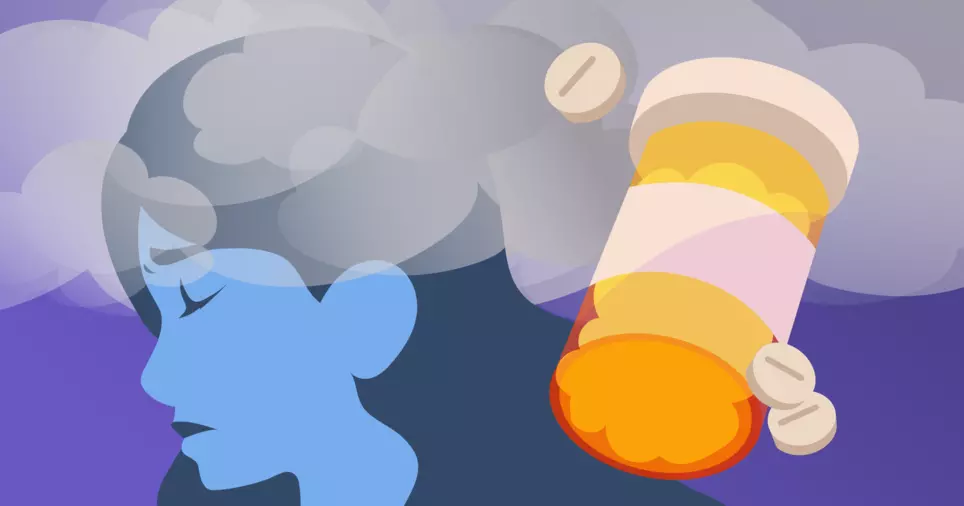
Long-term opioid use reshapes how the brain works, particularly affecting the prefrontal cortex (the part responsible for decision-making, judgment, and self-control). This area becomes less active with repeated opioid exposure, weakening its ability to regulate other brain regions like the reward system.
The most serious brain-related danger from opioids is respiratory depression during overdose. When breathing becomes too shallow, oxygen levels can drop dangerously low, potentially causing the heart and brain to shut down. This lack of oxygen could lead to brain damage.
While the brain changes from opioid use are real, they're not necessarily permanent. With treatment, support, and time, the brain can begin to heal and form healthier connections again.
If you're concerned about specific brain changes or lesions, it's important to discuss this with a healthcare provider who can evaluate your individual situation and order appropriate testing if needed.
AI-generated responses are not a substitute for medical advice. These services are not intended to
diagnose, treat, or cure any condition or disease. Always ask your doctor about specific health concerns.

What Do Opioids Do to the Brain?
December 20, 2025





 Join
Join


 Your Privacy Choices