YES..IT SURELY DOES.
Mind blower bc it's not an option.. gababentins have the same effects.
October 3
Great questions — and important ones given how long you've been using kratom for pain management.
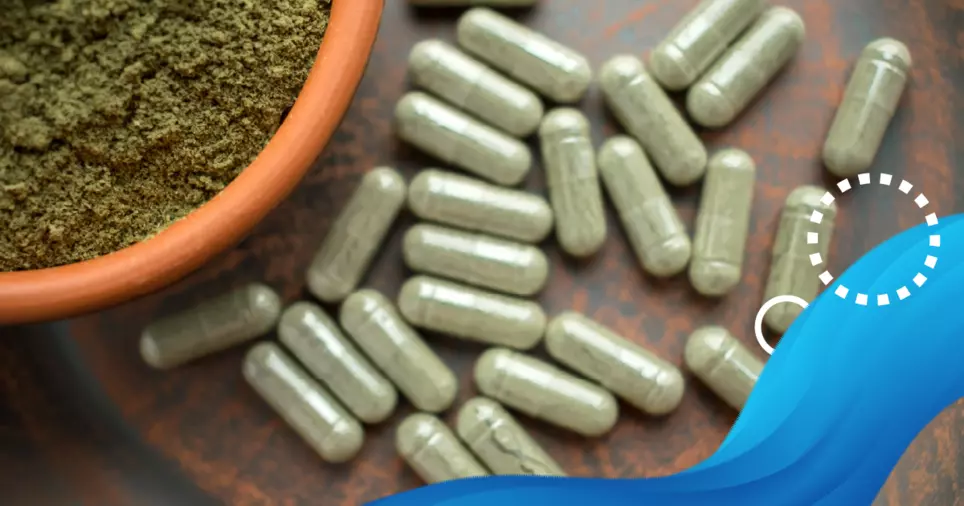
Kratom is not technically classified as an opioid, but its active compounds (including mitragynine) do bind to the same opioid receptors in the brain and spinal cord that traditional opioids target. So while it isn't an opioid Show Full Answer
Great questions — and important ones given how long you've been using kratom for pain management.
Kratom is not technically classified as an opioid, but its active compounds (including mitragynine) do bind to the same opioid receptors in the brain and spinal cord that traditional opioids target. So while it isn't an opioid itself, it behaves similarly in the body. As for withdrawal — yes, stopping long-term kratom use can absolutely trigger opioid-like withdrawal symptoms. People who used kratom for more than six months have reported withdrawal experiences very similar to opioid withdrawal. Symptoms can include:
- Nausea, chills, and upset stomach
- Runny nose and body aches
- Trouble sleeping
- Anxiety, restlessness, low mood, and irritability
Traditional kratom leaf withdrawal is generally reported as milder than conventional opioid withdrawal, but this varies a lot from person to person. Given your long-term use for chronic pain, it would be really worth speaking with a healthcare provider before making any changes. There are FDA-approved medications like buprenorphine and methadone that can help manage both withdrawal symptoms and cravings if needed. A doctor familiar with your history can help map out the safest path forward for your specific situation.
September 30





 Continue with Facebook
Continue with Email

 Join




 Your Privacy Choices