
Powered By


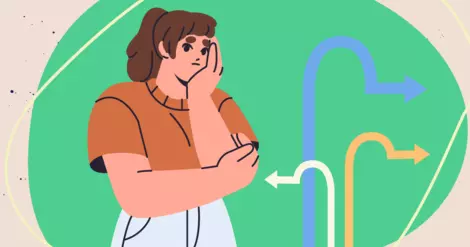
When someone is trying to stop using opioids, the first few days can feel scary. They may have withdrawal symptoms like body aches, nausea, anxiety, and strong cravings. Many people worry they will not be able to handle these symptoms.
The good news is that there are medications designed to help. One is called buprenorphine/naloxone, often known by the brand names Suboxone or Zubsolv. For many people, it can make recovery safer and more manageable.
This article will explain what buprenorphine/naloxone is, how it works, the side effects you might notice, and what the treatment timeline often looks like.
Buprenorphine/naloxone is a combination prescription medication used to treat opioid use disorder (OUD). It combines two medications in one tablet or film that dissolves under the tongue or inside the cheek.
The medication is used as part of a treatment program for people who are dependent on opioids such as prescription pain medications, heroin, or fentanyl. It helps reduce withdrawal symptoms and cravings so people can focus on recovery. The two ingredients play an important role:
You may hear this treatment called medications for opioid use disorder, or MOUD.
Opioids attach to special spots in the brain called receptors. When opioids attach to these receptors, they can cause pain relief and a feeling of euphoria or a high. Over time, the brain gets used to having opioids around. When someone stops taking them, the brain reacts strongly. This causes withdrawal symptoms.
Buprenorphine is what doctors call a partial opioid agonist. It attaches to the same receptors in the brain that opioids do, but it activates them only partly. This is enough to:
Because it only partly activates the receptor, buprenorphine does not produce the same strong high that drugs like heroin or oxycodone can cause. It also has a “ceiling effect,” meaning that after a certain dose, taking more does not increase some effects much, which can lower the risk of severe breathing problems compared with full opioids.
Naloxone is added for safety. It blocks opioids. If someone who is opioid-dependent injects buprenorphine/naloxone instead of taking it as directed, naloxone can trigger withdrawal symptoms. When buprenorphine/naloxone is taken under the tongue as prescribed, naloxone has very little effect. Its main job is to discourage misuse.
Like all medications, buprenorphine/naloxone can cause side effects. Many are mild and improve as the body adjusts. Common side effects may include:
These side effects are especially common in the first few days or weeks.
Some symptoms should not be ignored. Call your doctor right away if you notice:
Although serious side effects are less common, they can happen. Do not mix this medication with alcohol, benzodiazepines, sedating antihistamines, or other medicines that make you sleepy unless your doctor tells you to. Mixing them can cause extreme drowsiness and slow breathing.
Starting buprenorphine/naloxone happens in stages. Knowing what to expect can help ease anxiety about the process.
The first stage is called induction. Doctors usually ask people to stop using opioids and wait until they are in mild to moderate withdrawal before taking their first dose. The timing can vary, especially with fentanyl, so follow your prescriber’s instructions. If buprenorphine is taken too soon, it can cause sudden and intense withdrawal. This is called precipitated withdrawal.
Signs of early withdrawal may include:
When these symptoms begin, the first dose can be started. Within an hour or two, many people begin to feel relief.
During the first few days, your doctor may adjust the dose. The goal is to find a dose that:
You might still feel mild symptoms at first. It can take a few days to find the right balance.
Some people feel tired during this stage. Others feel relief because they are no longer fighting withdrawal.
After the right dose is found, you enter the stabilization phase. This can take a few weeks. During this time:
Most people begin to feel more emotionally steady. Sleep often improves. Appetite may return to normal. This is also when many people begin focusing on rebuilding their lives and engaging in therapy.
Maintenance can last months or even years. There’s no single timeline that works for everyone. Research shows that staying on medication for OUD long enough lowers the risk of relapse and overdose.
Some people stay on buprenorphine/naloxone long term. Others slowly taper off with their doctor’s guidance when they feel stable. Stopping too quickly can lead to withdrawal and increased risk of relapse, so decisions should always be made with a healthcare provider.
Medication is powerful, but it works best as part of a larger treatment plan. Health experts recommend combining medication for OUD with counseling and behavioral therapies. These might include:
Therapy helps people understand triggers, build coping skills, manage stress, and address mental health conditions such as depression or anxiety.
You can think of buprenorphine/naloxone as helping your brain settle into a steadier state. Therapy and other forms of support help build the skills needed for long-term recovery.
Starting buprenorphine/naloxone can feel like a big step. You may worry about side effects or whether it will really help.
OUD is a medical condition. Like other long-term health problems, it often requires medication. Buprenorphine/naloxone has been used safely and effectively for many years to treat OUD. It reduces cravings, lowers the risk of overdose, and helps people stay in recovery.
Side effects are usually manageable and often improve over time. The first few days may require patience as the right dose is found. But once stable, many people feel more normal and in control.
Recovery is not about being perfect. It’s about taking steady steps forward. For many people, buprenorphine/naloxone is one of those steps. It helps reduce cravings and withdrawal symptoms so people can focus on their recovery goals.
If you or someone you love is considering this treatment, talk with a qualified healthcare provider to discuss your options and decide what’s right for you. Recovery is possible, and you don’t have to do it alone.
On MyOpioidRecoveryTeam, people share their experiences with opioid use disorder, get advice, and find support from others who understand.
Was using buprenorphine/naloxone a turning point for you or someone you love? Let others know in the comments below.
Get updates directly to your inbox.




 Continue with Facebook
Continue with Email
Continue with Facebook
Continue with Email
Continue with Facebook
Continue with Email
Continue with Facebook
Continue with Email
Become a member to get even more




 Join
Join

 Your Privacy Choices

This is a member-feature!
Sign up for free to view article comments.
I take this medicine for my pain, not because of substance abuse!!!!
We'd love to hear from you! Please share your name and email to post and read comments.
You'll also get the latest articles directly to your inbox.