
Powered By



So many things can affect your mood. Hunger, tiredness, and stress are common triggers of a negative mood. But mood disorders like depression, drug and substance use disorders, and some medications can also contribute to mood changes. The use of opioids and depression comes with a specific set of risks that may require support.
Opioid use disorder (OUD) — a long-term condition that involves continued opioid use despite its risks and negative effects — is classified as a mental health disorder. Having other mental health conditions, such as depression, can raise your risk of developing OUD. Meanwhile, other mental health disorders like OUD and drug use can increase your risk of depression. This relationship can lead to more severe depressive symptoms and more intense OUD symptoms in people with both conditions.
Here, we’ll take a look at how opioids can affect mood, the risks of opioids when used with depression, and where to find support if you’re living with OUD and depression.
Depression is a type of mental health condition called a mood disorder. It makes people feel sad, hopeless, or empty, and they lose interest in things they used to enjoy. Depression can impact your feelings, thoughts, and behaviors. The condition often requires long-term treatment.
During a depressive episode, symptoms are present for most of the day for many days in a row. Symptoms of depression may include:
Depression usually starts between the teenage years and the 30s but can occur outside this age range. Women seem to develop depression more often than men, according to Mayo Clinic. Certain factors may increase your risk of depression, such as:
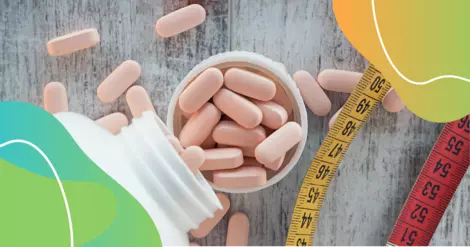
When used as directed, prescription opioids promote relaxation and provide pain relief. A doctor may prescribe opioid pain medicines for short-term severe pain, like after surgery, or for certain serious injuries or conditions.
Some opioid-like medicines are also used for diarrhea or, less often, for cough. These are different from the opioid pain medicines most people think of.
Opioid medications work by triggering your brain to release chemicals called endorphins. Endorphins — chemicals made naturally in the body — help block pain and stress. They’re often referred to as “feel-good” chemicals because of how they reduce your chances of feeling pain and promote feelings of well-being. Endorphins get their name from “endogenous morphine,” or morphine produced by the body.
Common prescription opioids like fentanyl, hydrocodone, oxycodone, and methadone tell the brain to release endorphins. When endorphins are released, the level of another feel-good chemical called dopamine rises. This creates a feeling of pleasure, which can be intense — referred to as euphoria. However, these are short-term effects that disappear when the dose of opioids wears off.
People who take opioids for a long time usually don’t experience the same effects of opioids as when they started. Long-term opioid use causes the body to build up a tolerance. In other words, taking the same dose as you have been results in your body releasing fewer endorphins. This results in less intense feelings of pleasure and well-being.
Long-term prescription opioid use can also lead to opioid dependence. People who become physically dependent can have withdrawal symptoms if they suddenly stop, cut down, or miss doses. Withdrawal symptoms may include acute pain, anxiety, and diarrhea.
Since opioids disrupt the body’s natural release of endorphins and dopamine, using the drugs can contribute to depressive episodes. Symptoms like sadness, hopelessness, or emotional numbness may be triggered or worsened by this altered brain chemistry, which results in the release of fewer feel-good chemicals.
Several other risks and side effects are linked to opioid use in people with depression.
Drug use disorder is a risk factor for both triggering and worsening depression. Meanwhile, having depression can lead to opioid misuse. Some studies suggest people with certain mental health conditions, including depression, may have a higher risk of overdose. But risk depends on many things, like dose, mixing opioids with other drugs like benzodiazepines or alcohol, and access to treatment.
Some people experience suicidal thoughts as a symptom of depression. These thoughts may lead to suicide attempts or exist on their own. As a risk factor for depression, opioid use can trigger these thoughts or make existing thoughts stronger.
In a study of people who used legal and illegal opioids, the study authors found that almost 9 percent of those who overdosed did so as a suicide attempt. Other research studies estimate that between 20 percent and 30 percent of opioid overdose deaths are suicides. However, many overdose deaths are listed as ‘unintentional’ or ‘undetermined,’ so exact numbers are uncertain.
Sleep problems and tiredness are common symptoms of depression. These can become more pronounced in people taking opioids due to how they affect a chemical system in the brain. Opioids disrupt this system, which is in charge of keeping you awake and alert. When it’s overactive, it can cause people to have trouble falling and staying asleep.
By impacting this system, opioids can worsen existing sleep problems in people with depression. Insomnia — a common symptom of depression — is reported to affect around 80 percent of people with OUD. Dysfunction in this system can also lead to cravings for drugs and junk food, which may further worsen sleep issues.
Opioids and antidepressants used to treat depression can affect levels of serotonin. Serotonin is a hormone essential for regulating mood, sleep, and other body processes. But too much of it can trigger a dangerous condition called serotonin syndrome.
Serotonin syndrome can develop when two or more drugs that raise serotonin are combined. Serotonin syndrome is more likely with certain opioids when they are combined with antidepressants that raise serotonin. Your doctor or pharmacist can check whether your specific medicines are safe together. Serotonin syndrome can cause symptoms like muscle twitching, fast heartbeat, confusion, and fever, which can be life-threatening.
Combining opioid therapy and alcohol use can also lead to dangerous side effects. Both alcohol and drug misuse can worsen depression and are more likely to occur due to depression. Research suggests that drinking alcohol and using opioids may increase the risk of death from opioid overdose. This may be due to the combination leading to respiratory depression or slowed breathing.
If you’re living with OUD and depression, you’re not alone. There are many support options available to help.
Opioids change the chemistry of your brain, which can make it very hard to stop taking them. Speak with your doctor before you stop taking opioids. Stopping abruptly makes you more likely to experience opioid withdrawal symptoms and other negative effects.
Your doctor may suggest you take medications to treat OUD or depression. Medications that treat OUD include methadone, buprenorphine, and naltrexone. These medications help prevent withdrawal symptoms, reduce cravings, and block the effects of opioids. Your provider may suggest antidepressants to help manage depression.
Cognitive behavioral therapy (CBT) — a type of talk therapy — is used to treat OUD and depression. CBT can help you manage negative thought patterns and behaviors while teaching healthy habits. If your doctor doesn’t offer this service, they can refer you to a psychiatrist.
Treatment programs such as Narcotics Anonymous (NA) can be an important part of OUD recovery. Emotional support from others who understand your condition can help you change unhealthy behaviors, learn healthy coping skills, and reduce your relapse risk. Support programs are also available to support those with depression, such as through the National Alliance on Mental Illness (NAMI).
If you need to talk to someone urgently about OUD or depression, you can. Crisis resources are available all day, every day to offer free support to those who need it. Available resources include:
On MyOpioidRecoveryTeam, people share their experiences with opioid use disorder, get advice, and find support from others who understand.
Are you living with OUD and depression? Let others know in the comments below.
Get updates directly to your inbox.




 Continue with Facebook
Continue with Email
Continue with Facebook
Continue with Email
Continue with Facebook
Continue with Email
Continue with Facebook
Continue with Email
Become a member to get even more




 Join
Join

 Your Privacy Choices

This is a member-feature!
Sign up for free to view article comments.
We'd love to hear from you! Please share your name and email to post and read comments.
You'll also get the latest articles directly to your inbox.