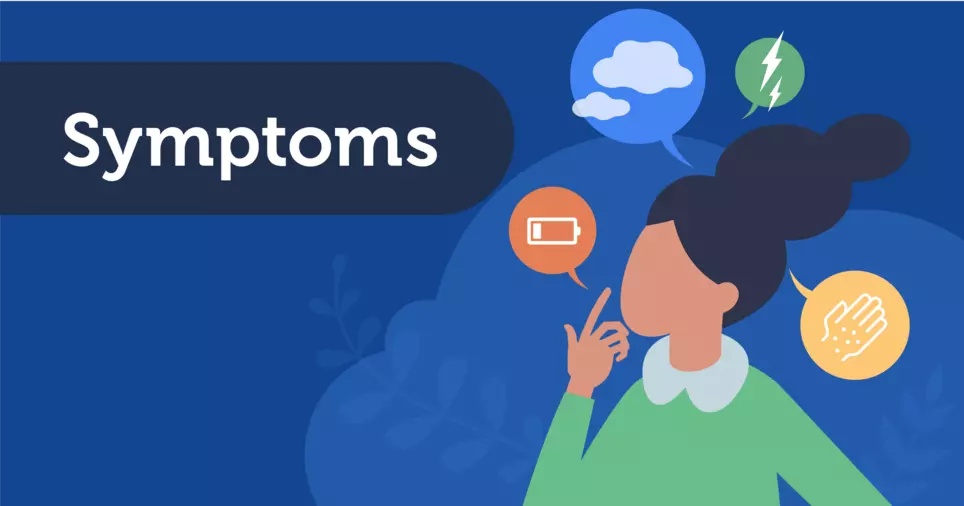
Day two without Suboxone can be really rough — you're likely hitting the peak of early withdrawal. Here's what's commonly experienced around this time:
- Anxiety or restlessness
- Muscle aches and cramps
- Sweating and chills
- Nausea, vomiting, or diarrhea
- Trouble sleeping
- Strong cravings
- Runny nose
These symptoms are Show Full Answer
Day two without Suboxone can be really rough — you're likely hitting the peak of early withdrawal. Here's what's commonly experienced around this time:
- Anxiety or restlessness
- Muscle aches and cramps
- Sweating and chills
- Nausea, vomiting, or diarrhea
- Trouble sleeping
- Strong cravings
- Runny nose
These symptoms are uncomfortable but are generally not life-threatening. That said, vomiting and diarrhea can lead to dehydration, so staying hydrated is important. Small sips of water, broth, or drinks with electrolytes (like sports drinks) can help. It's strongly recommended not to stop Suboxone without medical guidance. Doing so raises the risk of relapse and overdose, which can be life-threatening.
Reaching out to a prescriber as soon as possible is the safest step. They can help manage symptoms and get treatment back on track — whether that means restarting Suboxone or adjusting the plan. Running out of medication happens, and there's no judgment in asking for help.
October 9






 Join






 Your Privacy Choices