
Powered By



A common myth can keep people from getting effective treatment for opioid use disorder (OUD). Some people believe that medications used to treat OUD, such as buprenorphine, just replace one opioid with another.
The truth is that buprenorphine is a medication used to treat OUD. It can reduce cravings and help prevent withdrawal symptoms, which can make recovery feel more stable and manageable.
Buprenorphine is an opioid agonist medication used to treat OUD and pain.
Buprenorphine for OUD can be prescribed as a long-acting injection (Sublocade), a sublingual tablet, or a sublingual film. “Sublingual” means the medication dissolves under the tongue.
Buprenorphine is a controlled substance, which means it has some risk of misuse. Sometimes, buprenorphine can be combined with another medication called naloxone. This combination is called buprenorphine/naloxone. Brand names include Suboxone and Zubsolv. Naloxone helps lower the chance that the medication will be misused.
When used to treat pain, buprenorphine can be given as a patch applied to the skin for seven days or as a film placed inside the cheek. For pain that starts suddenly and lasts a short time, an injection may be given in a hospital.
Most opioid medications attach to the opioid receptors in the brain to provide pain relief. This causes euphoria (a “high” feeling).
With OUD, opioids can create a cycle of highs and lows. You may feel high while the opioid is active, then feel low or have withdrawal symptoms as it wears off. That cycle can be hard on the brain and body.
Buprenorphine is a long-acting opioid that partially attaches to the opioid receptors in the brain. When it attaches to the receptor, it activates it only partly. This helps satisfy the body’s need for opioids and reduces withdrawal symptoms and cravings.
Buprenorphine helps the brain function more normally without the euphoria that other opioids can cause. It’s long-acting, which means it stays in the body longer than some other opioids, so the brain doesn’t go through the same cycle of highs and lows. This steady effect helps people feel more stable throughout the day and focus on recovery.
Buprenorphine supports recovery by helping your body and brain get out of the “highs and lows” cycle that many people experience with OUD.
People who take buprenorphine may feel more stable, and their recovery may feel easier to manage. Buprenorphine can be part of OUD treatment when used along with medical care, counseling, or behavioral therapy.
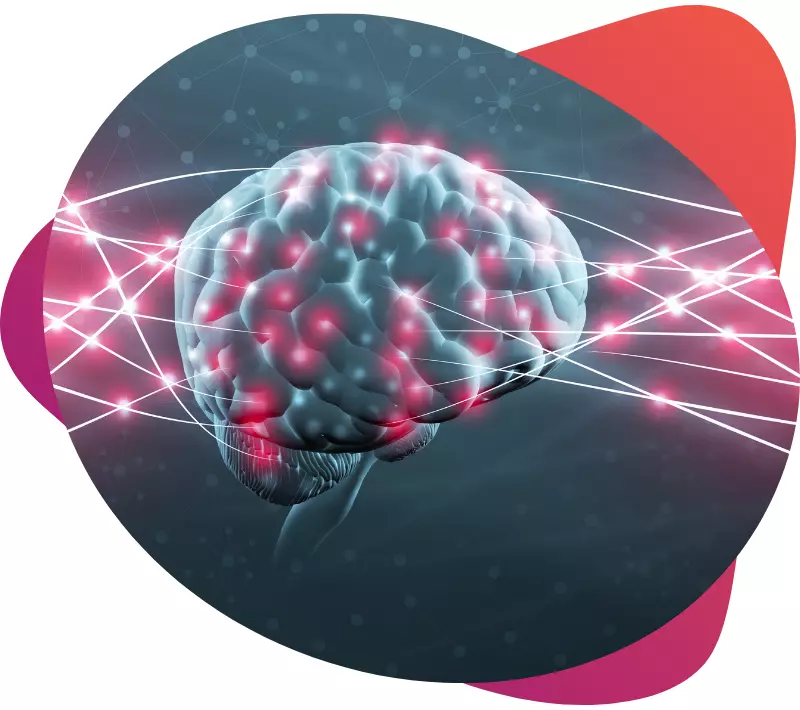
Buprenorphine attaches to the opioid receptors in the brain throughout the day, helping prevent opioid withdrawal symptoms. It only attaches partially to the receptor, which stops the euphoric feeling commonly caused by opioids. Instead of feeling highs and lows throughout the day, many people feel more grounded and in control.
Stopping the withdrawal symptoms is one way that buprenorphine lowers opioid overdose risk. Another way is that it has a built-in ceiling effect. This means taking higher doses of buprenorphine doesn’t keep increasing the effects like other opioids do.
If someone takes more buprenorphine beyond a certain dose, the risk of respiratory depression (breathing that’s too slow or shallow) doesn’t increase. This makes buprenorphine safer than continuing untreated OUD.
A multicenter study found that cravings in people who took buprenorphine/naloxone were significantly lower than in people who did not take buprenorphine for OUD. Those who took buprenorphine also experienced improvements in overall health and well-being compared with who did not.
When cravings and withdrawal symptoms are under control, people with OUD can focus on everyday life, such as:
There are common misconceptions about buprenorphine. Some people falsely believe it’s hard to access or highly addictive. This misinformation can cause a barrier to treatment.
You may have heard myths about buprenorphine — let’s look at the facts.
 How Do I Get Access to Buprenorphine?
A healthcare provider can prescribe buprenorphine. This may be your primary care doctor, a specialist, or a provider at an outpatient clinic or urgent care.
Buprenorphine doesn’t need to be prescribed and given in a special clinic. This makes it easier for people to access it.
If you’re not sure where to start, you can call the Substance Abuse and Mental Health Services Administration (SAMHSA) National Helpline (800-662-HELP) or visit their website at samhsa.gov and get connected to treatment near you.
How Do I Take Buprenorphine?Buprenorphine is taken by mouth as a sublingual tablet or a film.
If you miss a dose, take it as soon as you remember. If it’s almost time for your next dose, take only that dose. Do not double or take extra doses to catch up.
Make sure to keep taking your medication as prescribed by your healthcare provider. If you think you might need a different dose, talk to your doctor.
What Are the Side Effects of Buprenorphine?Side effects of buprenorphine can include:
Buprenorphine can affect everyone differently. A recent study noted that buprenorphine was well tolerated as a treatment for OUD, meaning that people generally have few serious side effects.
Can I Become Opioid Dependent on Buprenorphine?Your body can become dependent on buprenorphine, but dependence is not the same as addiction.
Dependence means your body starts to rely on the medication over time in order to function. This can happen with many medications. Addiction involves a loss of control. Someone who is addicted to a medication isn’t able to stop using it, even if there are negative consequences.
Dependence can cause withdrawal symptoms. When it’s time to stop buprenorphine, your healthcare provider can help you do it safely.
The dose is usually decreased slowly, or tapered, over time to keep you comfortable and avoid withdrawal symptoms. While your body may depend on it, it’s still helping you to stay safe and in control.
Recovery looks different for everyone. Buprenorphine makes recovery steadier and easier to manage compared to trying to stop opioids on your own.
During the first week, you’ll have relief from withdrawal symptoms within 24 hours of taking your first dose of buprenorphine. Cravings may not completely disappear until the end of your first week of taking buprenorphine.
By the end of the second week, you’ll likely feel like you did before you started using opioids. Your thinking may become clearer, your energy may improve, and your daily routines may start to feel more normal.
Long-term buprenorphine treatment can help people with OUD focus on rebuilding their lives and relationships.
Recovery is a journey, not a quick fix. There may still be ups and downs and stressful moments. Continue to go to behavioral therapy and support groups while taking buprenorphine to help you work toward your goals.
Buprenorphine is one of several medications approved by the U.S. Food and Drug Administration (FDA) to treat OUD. If it doesn’t work well for you, talk to your doctor about other treatment options.
On MyOpioidRecoveryTeam, people share their experiences with opioid use disorder, get advice, and find support from others who understand.
How do you feel about using buprenorphine to treat opioid use disorder? Let others know in the comments below.
Get updates directly to your inbox.



 Continue with Facebook
Continue with Email
Continue with Facebook
Continue with Email
Continue with Facebook
Continue with Email
Continue with Facebook
Continue with Email
Become a member to get even more





 Join
Join

 Your Privacy Choices

This is a member-feature!
Sign up for free to view article comments.
We'd love to hear from you! Please share your name and email to post and read comments.
You'll also get the latest articles directly to your inbox.