
Powered By



When someone stops using opioids after taking them for a long time, withdrawal symptoms can feel overwhelming. Many people describe withdrawal as a severe stomach flu combined with anxiety, insomnia (difficulty sleeping), and strong cravings.
For many people with opioid use disorder (OUD), fear of withdrawal is one of the biggest reasons they continue using opioids, even when they want help. That’s one reason healthcare providers have been looking for more ways to help make withdrawal more manageable.
One option that’s gained attention in recent years is a device known as a bridge device. These small devices are placed behind the ear and use gentle electrical pulses to help ease some opioid withdrawal symptoms.
A bridge device isn’t a cure for opioid addiction, and it’s not meant to replace evidence-based treatment. However, it can be used alongside other treatment approaches.
A bridge device can also serve as a short-term tool that may help people get through the early days of withdrawal while starting recovery care, including medications for opioid use disorder (MOUD).
A bridge device is a small wearable medical device that uses auricular neurostimulation (electrical stimulation of nerves in and around the ear) to help reduce opioid withdrawal symptoms.
The device is attached behind the ear, with small wires or electrodes placed on the outer ear. Once activated, it sends gentle electrical signals to cranial nerves (nerves that connect directly to the brain). These signals may affect areas of the brain involved in pain, discomfort, and other withdrawal symptoms.
These devices are typically worn continuously for several days, often up to five days during acute withdrawal (the period when withdrawal symptoms are strongest).
The goal is to reduce the physical symptoms of opioid withdrawal, such as:
One of the best-known bridge devices is the Masimo NSS-2 Bridge, which received clearance from the U.S. Food and Drug Administration (FDA) in 2017 to help reduce symptoms of opioid withdrawal.
Another FDA-cleared option is the NET Device, which works in a similar way.
Other similar devices may be available, but evidence supporting their use for opioid withdrawal remains limited.
Researchers are still learning exactly how these devices work, but the basic idea is fairly simple. The area in and around the ear contains branches of several important nerves, including:
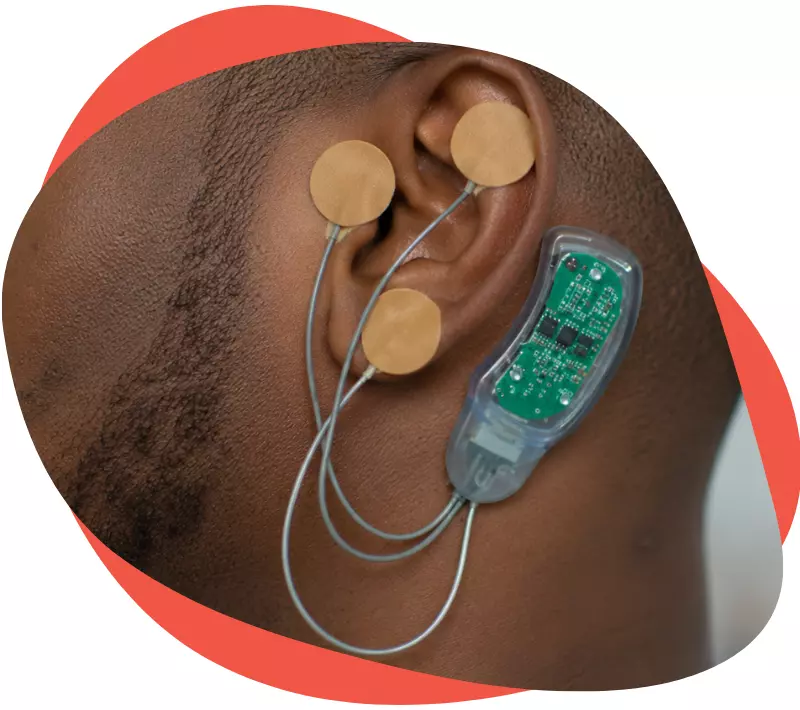 These nerve branches connect to pathways in the brain involved in addiction and in processing pain and pleasure. When a bridge device stimulates these nerves with small electrical pulses, it may affect how the body processes symptoms such as pain, stress, nausea, fear, and discomfort during opioid withdrawal.
During opioid withdrawal, the nervous system can become overactive. This may cause symptoms such as sweating, shaking, restlessness, stomach cramps, anxiety, or insomnia.
Auricular neurostimulation may help reduce some of this overactivity, which could make withdrawal symptoms more manageable for some people.
One important thing to understand is that bridge devices may help reduce opioid withdrawal symptoms, but they typically don’t eliminate them entirely.
Some online accounts may make these devices seem like a quick fix, but opioid withdrawal is complex. Most people still experience some discomfort, even when using treatments to help manage symptoms.
Research and clinical reports suggest bridge devices may help reduce:
Some people also report fewer opioid cravings, although cravings can still be strong during withdrawal.
Some people may feel relief quickly when using a bridge device, sometimes within 20 minutes of placement. Others experience more modest benefits. Responses can vary from person to person.
Health experts emphasize that research on bridge devices is still ongoing. These devices are generally intended to support withdrawal management and are most often used alongside other forms of care.
A bridge device is typically used during the early stages of opioid withdrawal, especially during medically supervised detoxification. This period is usually the first few days after stopping opioids, when withdrawal symptoms are often at their strongest.
Because bridge devices are FDA-cleared to help reduce opioid withdrawal symptoms, they should be used under the guidance of a licensed healthcare provider. A healthcare provider can determine whether a bridge device is appropriate, monitor withdrawal symptoms, and recommend additional treatment if needed.
Bridge devices are not considered a standalone treatment for OUD. Instead, they’re typically used as part of a broader withdrawal management plan that may also include:
The goal of a bridge device is to help make withdrawal symptoms more manageable while someone begins ongoing treatment and recovery support.
A bridge device may be considered for people who:
However, bridge devices are not appropriate for everyone. They may not be recommended for people who have certain medical conditions or devices that could interfere with treatment. A healthcare provider can help determine whether a bridge device is a safe option.
In general, bridge devices may not be recommended for people who have:
For most people, the side effects of bridge devices appear to be mild. Possible side effects can include itching, irritation, or skin discoloration in and around the ear where the bridge device is placed.
Research on auricular neurostimulation for opioid withdrawal is promising, but the evidence is still limited.
Early studies found that people who used the NSS-2 Bridge device had fewer opioid withdrawal symptoms, including in the first hour after the device was placed. Some studies also reported lower withdrawal symptom scores over the following days.
However, many of these studies were small, observational, or did not include comparison groups. In observational studies, researchers watch what happens without randomly assigning treatments. More large, high-quality studies are needed to better understand how well bridge devices work and which people are most likely to benefit.
For now, healthcare experts agree on a few key points:
Getting through opioid withdrawal is an important first step, but it is only the beginning of treatment.
OUD can cause lasting changes in the brain that make a return to opioid use more likely, especially without ongoing treatment and support. In addition, detoxification without follow-up treatment can increase the risk of overdose because opioid tolerance (the body's reduced response to a drug after repeated use) can decrease quickly.
That’s why major health organizations strongly recommend medications for opioid use disorder. Treatments used as part of MOUD include:
Research shows that these treatments can:
A bridge device may help someone tolerate the early withdrawal period while starting MOUD, but it is not considered a replacement for these medications.
As its name suggests, a bridge device is intended to serve as a temporary tool. It may help some people move from active opioid use into longer-term treatment and recovery support.

Managing withdrawal can feel overwhelming, but a bridge device for opioid withdrawal may provide short-term symptom relief and help some people feel more comfortable during medically supervised withdrawal management.
Still, these devices work best when they’re part of a full treatment plan that includes evidence-based care. For people with OUD, recovery involves more than getting through withdrawal. Ongoing treatment, support, and follow-up care can help reduce the risk of overdose and support long-term recovery.
A bridge device may help make the transition into treatment easier for some people, but lasting recovery is built through continued care and support.
On MyOpioidRecoveryTeam, people share their experiences with opioid use disorder, get advice, and find support from others who understand.
Have you ever avoided getting help for opioid use because you were afraid of withdrawal symptoms? Let others know in the comments below.
Get updates directly to your inbox.


Where can I find a Doctor that would work with me? I live in the Kansas City Kansas area.



 Continue with Facebook
Continue with Email
Continue with Facebook
Continue with Email
Continue with Facebook
Continue with Email
Continue with Facebook
Continue with Email
Become a member to get even more




 Join
Join

 Your Privacy Choices

This is a member-feature!
Sign up for free to view article comments.
Where can I find a Doctor that would work with me? I live in the Kansas City Kansas area
I am currently on Buprenorphine 8mg/ Naloxone 4 times a day. Maybe this can help me reduce the amount I am… read more
We'd love to hear from you! Please share your name and email to post and read comments.
You'll also get the latest articles directly to your inbox.