
Powered By



Opioid use disorder (OUD) is a chronic disease that can affect anyone, regardless of age, background, or life circumstances. Each year, millions of people in the U.S. are affected by OUD. In 2024, an estimated 4.8 million people ages 12 and older were living with the condition. It’s not a reflection of character or personal failure.
As one member of MyOpioidRecoveryTeam shared, “Opioid addiction has nothing to do with strength or morals.”
Learning why opioids are so addictive, who may be at increased risk for OUD, and how treatment and support can help may give you a better understanding of a loved one’s experience or your own.
Opioids are frequently prescribed for pain relief after surgery or serious injury, or for chronic pain due to cancer or other health conditions. While opioids can be very effective at managing pain, they also affect the brain’s reward system, which can lead to physical dependence.
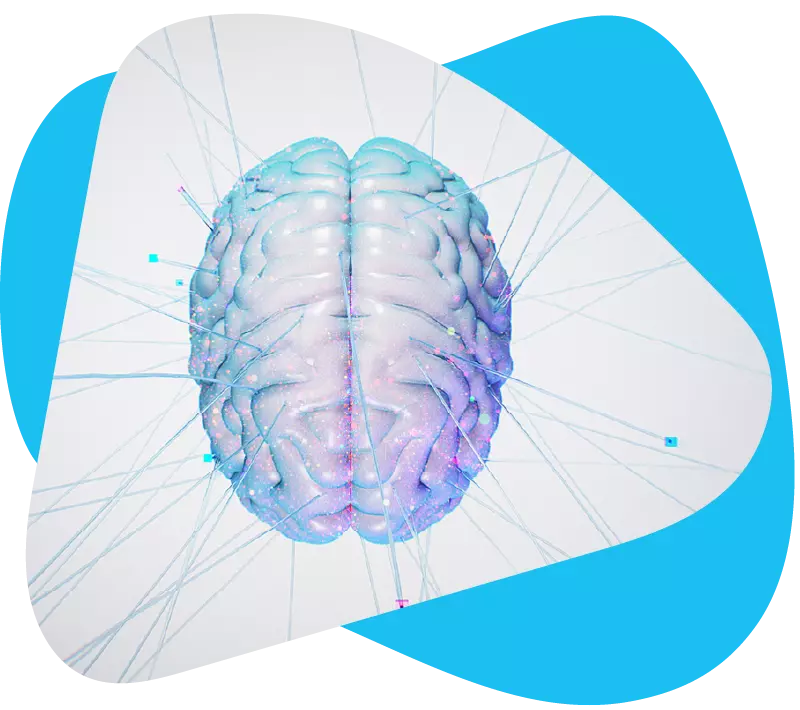
When opioids enter the body, they activate opioid receptors, which increases dopamine levels in the brain. This is one reason opioids can be so addictive. Dopamine is a chemical linked to pleasure and reinforcement, and it can create a sense of euphoria — a feeling of intense happiness and well-being — that people may want to experience again.
Over time, the brain adapts to the presence of opioids. This is a process known as tolerance. People may need higher doses to get the same euphoric effect they once did, and they may begin to rely on opioids to feel good or even to feel normal. Eventually, physical dependence can develop, especially with higher doses or long-term use.
When someone who has developed physical dependence stops taking opioids, they may have withdrawal symptoms. These can include diarrhea, vomiting, sweating, fatigue, and anxiety.
These symptoms can be very uncomfortable, which may lead people to take more opioids for short-term relief. But taking more opioids to ease withdrawal can strengthen the cycle and make it harder to stop.
Opioid withdrawal is a sign that the body has adapted to the medication. It’s not a sign of personal weakness. These physical changes are one reason stopping opioids can be challenging for many people.
OUD can develop from using prescription opioids like morphine, oxycodone, hydrocodone, fentanyl, and methadone, as well as from nonprescription opioids such as heroin and illegally manufactured fentanyl. Even when they are taken exactly as prescribed for pain management, these drugs carry a risk because of how they affect the brain.
How quickly OUD develops can vary from person to person. In some cases, physical dependence can begin within days to weeks, especially with higher doses or frequent use.
It’s important to note that taking opioids for a short period of time doesn’t automatically lead to opioid dependence. When used as prescribed, opioids can be a safe and effective option for pain management. However, certain factors can increase the risk of OUD. Understanding these risk factors can help you recognize who may be more vulnerable.
Certain factors can increase the risk of developing OUD. While having one or more of these risk factors doesn’t mean someone will develop it, understanding the risk factors can help you make informed decisions about pain management and when to seek support.
If you have questions about OUD or prescription opioids for pain management, your healthcare provider can help you better understand your individual risk. Having one or more risk factors doesn’t mean opioid addiction is bound to happen. But if you’re prescribed opioids for pain relief, it’s important to ask questions and take extra care.
Treatment for OUD is important and can save lives. In the U.S., opioid misuse is linked to many deaths each year, and not all of those deaths involve illegal drugs. Some people develop OUD after taking prescription medications as directed, due to the way these drugs affect the brain and body.
There is no one-size-fits-all approach to treatment for OUD. An effective treatment plan will be based on a person’s individual needs, goals, and circumstances, and often involves more than one type of support.
Most treatment options for OUD fall into two main categories: medication and behavioral therapy.
Medications for OUD are often used as part of a long-term treatment plan. Some help reduce cravings, ease withdrawal symptoms, lower the risk of relapse, and prevent or reduce opioid overdose. Others block the effects of opioids if they are used.
Common medications include methadone, buprenorphine, and naltrexone. These medications are approved by the U.S. Food and Drug Administration (FDA) and are considered safe and effective when used as directed to treat OUD.
According to the Substance Abuse and Mental Health Services Administration (SAMHSA), medication is often most effective when combined with behavioral therapies or other forms of support.
While medication helps address the physical aspects of OUD, therapy and counseling focus on the emotional, psychological, and behavioral aspects.
Behavioral therapies for OUD include cognitive behavioral therapy (CBT), motivational interviewing, and contingency management. These approaches can help people build coping skills, stay engaged in treatment, and support long-term recovery.
 Therapy or counseling may be offered individually, in groups, with family members, or through inpatient or outpatient treatment programs.
Your healthcare provider or a substance use disorder specialist can help explain the available treatment options for OUD. They can also make referrals to other specialists and connect you with support programs, if needed.
OUD is a medical condition that can involve physical dependence, cravings, and continued opioid use despite harm. It’s not a personal failure, and recovery isn’t a matter of willpower alone.
Many people benefit most from a combination of medication and therapy, along with ongoing support from healthcare providers, counselors, or treatment programs. With the right support, recovery is possible.
On MyOpioidRecoveryTeam, people share their experiences with opioid use disorder, get advice, and find support from others who understand.
What has been your experience with opioid use disorder? Let others know in the comments below.
Get updates directly to your inbox.




 Continue with Facebook
Continue with Email
Continue with Facebook
Continue with Email
Continue with Facebook
Continue with Email
Continue with Facebook
Continue with Email
Become a member to get even more





 Join
Join

 Your Privacy Choices

This is a member-feature!
Sign up for free to view article comments.
Do u have Suboxone or subutex program
We'd love to hear from you! Please share your name and email to post and read comments.
You'll also get the latest articles directly to your inbox.