
Powered By



For people with opioid use disorder, staying safe has become harder over recent years due to the dangers of fentanyl and its analogs spreading throughout the illicit drug supply. Many people have turned to using fentanyl test strips (FTS) as part of overdose prevention efforts. This article will go over what fentanyl test strips are, how they work, and what limitations to consider when making choices about staying safe.
Fentanyl test strips are small strips of paper that can detect fentanyl and some fentanyl analogs. You can use them before injecting, snorting, or taking pills to check if fentanyl is present. They’re an important harm reduction tool that can help people detect what may be in their drug supply.
Fentanyl is a powerful synthetic opioid estimated to be about 50 times stronger than heroin. Pharmaceutical fentanyl, such as fentanyl patches, is approved for medical use to treat severe pain. Illicitly manufactured fentanyl is dangerous because: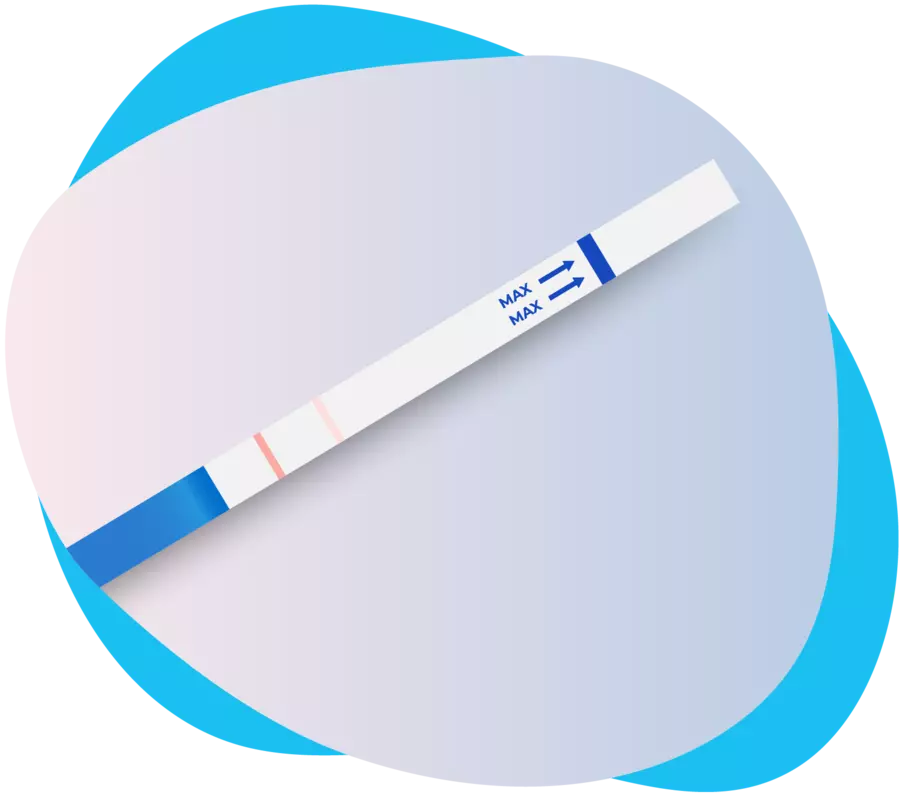
Sign up to view the results!
 Continue with Facebook
Continue with Email
Continue with Facebook
Continue with Email
You can’t tell if another drug or pill contains fentanyl by looking at it, tasting it, or smelling it. Fentanyl test strips are one way to check for fentanyl. Because fentanyl is so powerful, it’s important to know if it’s present in a drug or pill before you take it, to prevent an overdose.
Fentanyl test strips work by taking a small sample of the drug mixed with water and placing it on the test strip. The strip can detect the presence of fentanyl in many different substances, including heroin, cocaine, and meth.
These are the steps to take when using fentanyl test strips based on the drug form:
Once mixed or soaked, dip the fentanyl test strip into the water up to the strip’s wavy lines. Wait at least 15 seconds, then place the strip on a flat surface for three minutes to allow it to work before reading the results.
After finishing the test, it’s important to read the results correctly. Always follow the instructions provided with the test strips, as different brands may have slightly different directions for reading the results.
After waiting the recommended time, the results are generally:
A negative result doesn’t guarantee that a substance is safe or 100 percent free from fentanyl. Test strips are just one harm-reduction tool of many and should be used along with other overdose prevention methods, like naloxone.
It is important to stress that fentanyl test strips cannot detect many other dangerous contaminants, including nitazene opioids, medetomidine, benzodiazepines, or other emerging adulterants. The illicit drug supply continues to change, so a negative fentanyl test should never be interpreted as meaning a drug is safe.
Fentanyl test strips are a simple tool that can help detect fentanyl in substances before someone takes them. Some benefits of fentanyl test strips include:
While fentanyl test strips offer many benefits, it’s also important to understand they aren’t perfect.
Fentanyl test strips can help tell whether fentanyl is likely in a substance, but they can’t guarantee if the substance is safe. A negative test result doesn’t mean a substance is free of fentanyl. It may contain fentanyl analogs that can’t be detected with fentanyl test strips.
Test strips also can’t tell how much fentanyl is present or how strong it may be. In addition, fentanyl test strips do not detect other dangerous substances that may be in the drug supply. For example, some drugs may contain xylazine, sometimes called “tranq,” which is not an opioid but can cause serious health problems.
Because of these limitations, fentanyl test strips should be used along with other harm reduction and overdose prevention tools.
Fentanyl test strips are just one of many ways to reduce the risk of overdose. Several other harm reduction tools can help keep people safe and support recovery. Some examples include:
All of these tools can be used together to help reduce harm, prevent overdose, and support opioid use disorder recovery.
If you have opioid use disorder, effective medication treatments are available. FDA-approved medications include buprenorphine, methadone, and naltrexone. These medicines can help reduce opioid use, cravings, and withdrawal symptoms. Buprenorphine comes in several forms, including tablets, films, and long-acting injections.
Whether you use fentanyl test strips, carry naloxone, receive medication treatment, or use a combination of these tools, having access to support and resources can help you stay safe.
Fentanyl test strips are available from many harm reduction organizations and programs. You may also find them at substance use treatment centers. In some areas, fentanyl test strips can be purchased online. Most states now permit possession or distribution of fentanyl test strips, but access may differ because of specific local laws, harm reduction programs, and public policies.
If you’re not sure where to find fentanyl test strips, you can visit the National Harm Reduction Coalition website to search for programs and resources in your area.
On MyOpioidRecoveryTeam, people share their experiences with opioid use disorder, get advice, and find support from others who understand.
Have you ever used fentanyl test strips? Let others know in the comments below.
Get updates directly to your inbox.




 Continue with Facebook
Continue with Email
Continue with Facebook
Continue with Email
Continue with Facebook
Continue with Email
Continue with Facebook
Continue with Email
Become a member to get even more





 Join
Join

 Your Privacy Choices

This is a member-feature!
Sign up for free to view article comments.
We'd love to hear from you! Please share your name and email to post and read comments.
You'll also get the latest articles directly to your inbox.