
Powered By


The path of Julie Boyle’s life changed dramatically when illness struck her family and altered her role. “It started when my mom was diagnosed with ovarian cancer,” she said. “I became her caregiver from that point on until she went into hospice.”
During that difficult period, Julie developed unexplained physical pain. “I started having allover body aches — just deep body aches,” she said. Doctors tested her for conditions such as rheumatoid arthritis and lupus, but the results came back negative.
Looking back, Julie said she believes the physical symptoms were closely tied to the emotional load she carried: “I’m quite sure it was stress from my mom’s illness, but that’s what started me on narcotics.”
How I Beat My Own Addiction as an Opioid Caregiver
Julie Boyle shares her opioid recovery journey, shaped by caregiving stress, rehab, and therapy.
Watch More Videos From Julie
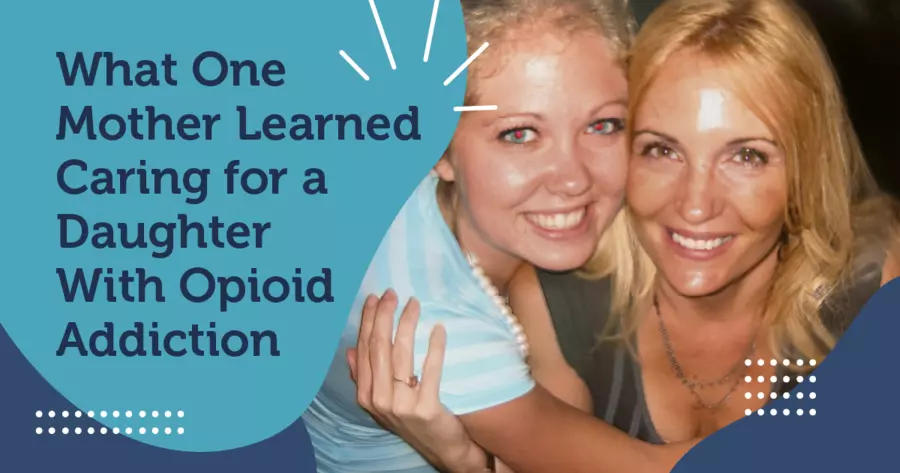
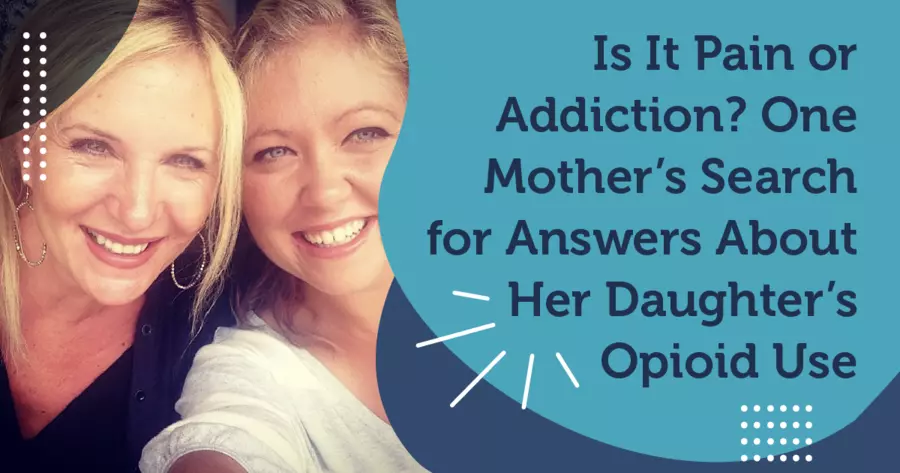
00:00:00:00 - 00:00:13:08
Julie Boyle
The dosages were just insane. I mean, 100 mg of fentanyl, somebody that’s terminal might have that at the end of life, but I'm walking around trying to function.
00:00:13:10 - 00:00:41:05
Julie Boyle
It started when my mom was diagnosed with ovarian cancer. I became her caregiver until she went into hospice. I started having all-over body aches. We thought it was rheumatoid arthritis or lupus, but I tested negative for everything. I'm quite sure it was stress from my mom's illness, but that's what started me on narcotics. No doctors that I recall ever mentioned addiction.
00:00:41:08 - 00:01:04:17
Julie Boyle
It wasn't in the narrative back then. And when Jordan, my daughter, went into rehab, her therapist would ask me, “Do you think you might have a problem yourself?” I remember thinking, oh, I definitely have a problem, but fentanyl helped me cope with her so much. I mean, we were wondering if she was even going to live. And I always knew I would quit after she got better.
00:01:04:17 - 00:01:33:05
Julie Boyle
And that is what happened, but it wasn't my doing. I had forged a prescription. I ran out early and I found an old prescription from the year before in my glove box and thought well, I’ll just change to the next year. And my husband, John, was on his way home from work, so I asked him to pick up my prescription. When he called and said, “Jule, I'm standing here with five of Littleton's finest in blue and they're asking me about your prescription.
00:01:33:05 - 00:01:54:22
Julie Boyle
Did you forge this?” And oh my God, my world, just talk about hitting rock bottom. John came home and said, “You either get help or I'm done.” I checked into a rehab. I was charged with a felony that was dismissed, but I was required to go to a therapist. Therapy has helped me immensely. It's been a lifesaver for me.
00:01:54:23 - 00:02:21:17
Julie Boyle
An absolute lifesaver. I learned that self-love is probably the most important part of caregiving. If you're not giving your self care. there's nothing there to give someone else. You've just run dry. Meditation, therapy, getting out in nature, just anything that brings you peace and gives you joy. I really want people to know that it can get better. Don't stop trying to find help.
00:02:21:19 - 00:02:33:24
Julie Boyle
Seeing my daughter, Jordan, alive and healthy with my grandkids brings me joy now. Life can get really good. Learn more and connect at MyOpioidRecoveryTeam.com.
Julie said opioid prescriptions escalated quickly during that time. “No doctors that I recall ever mentioned addiction. It wasn’t in the narrative back then,” she said.
Eventually, a visit to Mayo Clinic brought a wake-up call. Staff there noticed how heavily medicated Julie was and told her, “You are on so many opioids, you can’t even talk.” At the time, she felt alert and didn’t understand their concern, but “that was really the first inkling.”
As dependence deepened, Julie began acting in ways she never imagined. One night, desperate for relief after running out of medication, “I actually was licking the fentanyl patch to get pain medicine off of it,” she said.
Her use escalated further when she altered an old prescription. The consequences hit hard when her husband, John, tried to pick up the medication at the pharmacy. Julie said she remembers his call vividly: “Jule, I’m standing here with five of Littleton’s finest in blue, and they’re asking me about your prescription. Did you forge this?”
She described that moment as hitting rock bottom.

When John got home, he gave Julie an ultimatum that changed the course of her life: “I’m done. You either get help or I’m done.”
Julie checked into rehab that night.
Recovery brought more challenges. Julie was charged with a felony — later dismissed — and was required to see a therapist. However, that requirement became an important support in her healing. “Therapy has helped me immensely,” she said. “I don’t know where I’d be without therapy. It’s been a lifesaver for me, just an absolute lifesaver.”
Julie has been in recovery from opioid use disorder for 16 years. She shared what helped her rebuild her life: “Meditation, therapy, getting out in nature. I think even exercise, anything that gets you moving, will help … friends … anything that brings you peace and gives you joy.”
Her experiences also changed the way she thinks about caregiving: “Self-love is probably the most important part of caregiving.”
Julie now shares her story in the hope that someone else might find a path forward. “I really want people to know that it can get better,” she said. “Don’t stop trying to find help. Life can get really good.”
On MyOpioidRecoveryTeam, people share their experiences with opioid use disorder, get advice, and find support from others who understand.
What has helped you most in your recovery journey? What advice would you give someone who is struggling to ask for help? Let others know in the comments below.
Get updates directly to your inbox.




 Continue with Facebook
Continue with Email
Continue with Facebook
Continue with Email
Continue with Facebook
Continue with Email
Continue with Facebook
Continue with Email
Become a member to get even more




 Join
Join

 Your Privacy Choices

This is a member-feature!
Sign up for free to view article comments.
We'd love to hear from you! Please share your name and email to post and read comments.
You'll also get the latest articles directly to your inbox.